
 0401 598 986
 admin@activesolarenergy.com.au

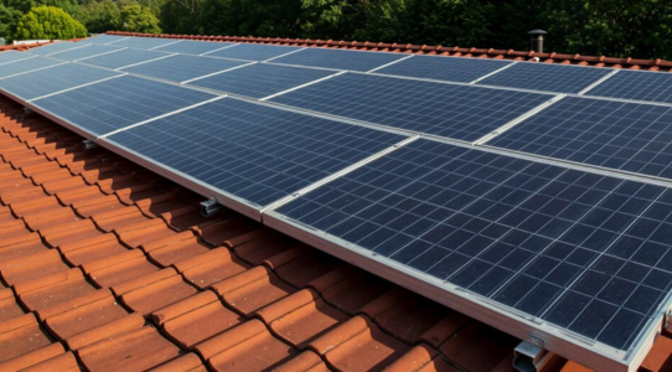
With electricity prices continuing to rise across Australia, more homeowners and businesses are turning to solar energy as a smart long-term investment. Solar panel installation not only helps reduce power bills but also increases energy independence, supports environmental sustainability, and can improve property value.
Whether you’re building a new home, upgrading an existing system, or investing in commercial solar, understanding the installation process is essential. If you’re located in Osborne Park, Perth, or nearby suburbs including Balcatta, Innaloo, Stirling, Tuart Hill, Yokine, Joondanna, Mount Hawthorn, Leederville, Wembley, Subiaco, Scarborough, Doubleview, Karrinyup, Dianella, Nollamara, Morley, Malaga, Westminster, North Perth, Glendalough, Churchlands, Woodlands, Floreat, East Perth, West Perth, Bayswater, Mount Lawley, and Victoria Park, Active Solar Energy provides tailored solar solutions designed for Western Australian conditions.
In this guide, you’ll learn how solar panel installation works, the available system types, costs, rebates, maintenance requirements, and why choosing a trusted local installer makes all the difference.
What Is Solar Panel Installation?
Solar panel installation is the process of designing, installing, and connecting a solar power system that converts sunlight into usable electricity. A complete system typically includes solar panels, an inverter, mounting hardware, electrical wiring, and, if required, a solar battery for energy storage.
During daylight hours, the panels capture sunlight and generate direct current (DC) electricity. The inverter converts this into alternating current (AC), allowing your home or business to power appliances while reducing reliance on the electricity grid.
Australia’s abundant sunshine makes solar one of the most effective ways to lower ongoing energy costs while reducing carbon emissions.
How Solar Panels Work
A solar energy system operates through four simple stages:
| Component | Purpose |
| Solar Panels | Capture sunlight and generate DC electricity. |
| Solar Inverter | Converts DC electricity into AC electricity for everyday use. |
| Battery (Optional) | Stores excess electricity for night-time or backup power. |
| Electricity Grid | Receives surplus power and supplies electricity when required. |
When your system produces more electricity than you consume, excess energy may be exported to the grid, helping maximise your return on investment.
Types of Solar Panels
Choosing the right solar panels depends on your budget, roof space, and energy requirements.
| Panel Type | Best For | Key Benefits |
| Monocrystalline | Residential homes | Highest efficiency and sleek appearance |
| Polycrystalline | Budget-conscious installations | Excellent value for money |
| Thin Film | Commercial projects | Lightweight and flexible applications |
| Commercial Systems | Large businesses | Higher output for greater energy demands |
property’s energy usage and roof orientation.
Solar Installation Process
A professional solar installation generally follows these steps:
- Initial consultation and energy assessment.
- Roof inspection and site evaluation.
- Custom system design.
- Selection of quality components.
- Professional installation.
- Electrical testing and safety inspections.
- Grid connection and system activation.
- Customer handover and monitoring setup.
Professional installation ensures compliance with Australian Standards while delivering maximum system performance.
Residential and Commercial Solar Benefits
Residential solar systems help homeowners reduce electricity bills, improve energy efficiency, and increase property value.
Commercial solar systems allow businesses to lower operating expenses, improve sustainability credentials, and achieve attractive long-term returns on investment. Many businesses also benefit from government incentives and depreciation advantages.
Solar Panel Costs and WA Rebates
The cost of solar panel installation varies depending on system size, roof complexity, equipment quality, and battery storage.
Typical residential systems range from 6.6kW to 10kW, providing significant savings over their lifetime.
Eligible Australian households can also benefit from the Small-scale Technology Certificates (STCs), which reduce the upfront installation cost. Western Australian customers should also monitor available state-based programs and feed-in tariff opportunities that can further improve long-term savings.
A professional solar assessment provides the most accurate pricing based on your property’s unique requirements.
Why Choose Active Solar Energy?
Active Solar Energy proudly serves Osborne Park and surrounding Perth suburbs with reliable solar installation services tailored to residential and commercial customers.
Choosing Active Solar Energy means:
- Experienced local solar specialists.
- High-quality solar panels and inverters.
- Fully compliant installations.
- Transparent pricing with no hidden surprises.
- Strong manufacturer warranties.
- Excellent after-sales support.
- Personalised system recommendations.
Whether you’re located in Osborne Park, Scarborough, Subiaco, Morley, Malaga, Mount Lawley, or nearby areas, the team understands local conditions and designs systems that maximise energy production throughout the year.
To discuss your solar project, call Active Solar Energy on 0401 598 986 or request a personalised solar assessment.
Common Solar Installation Mistakes
Avoid these common mistakes when investing in solar:
- Choosing the cheapest installer rather than the most qualified.
- Installing an undersized system.
- Ignoring roof shading issues.
- Selecting poor-quality components.
- Overlooking warranty coverage.
- Failing to plan for future battery storage.
Working with experienced professionals helps prevent costly mistakes and ensures long-term performance.
Solar Maintenance Tips
Solar systems require minimal maintenance, but regular care helps maintain efficiency.
- Clean panels when dirt or debris builds up.
- Monitor electricity production regularly.
- Arrange professional inspections every few years.
- Trim nearby trees to reduce shading.
- Check inverter performance through the monitoring app.
Well-maintained systems can continue performing efficiently for more than 25 years.
Frequently Asked Questions
How much do solar panels cost in Australia?
Pricing depends on system size, roof complexity, and equipment quality. Government incentives can significantly reduce upfront costs.
How long does installation take?
Most residential installations are completed within one day, while larger commercial projects may require additional time.
Are solar panels worth installing?
Yes. Many Australian households achieve substantial electricity savings while increasing property value and reducing reliance on the grid.
Can I add a battery later?
Absolutely. Many homeowners install batteries after their initial solar system to increase energy independence.
How long do solar panels last?
Most premium solar panels have performance warranties of 25 years or longer, with many continuing to generate electricity well beyond that period.
Conclusion
Solar panel installation is one of the smartest long-term investments Australian homeowners and businesses can make. With quality equipment, professional installation, and expert system design, you can enjoy lower electricity bills, greater energy independence, and long-term environmental benefits.
If you’re located in Osborne Park, Perth, or surrounding suburbs, Active Solar Energy is ready to help you choose the right solar solution for your property. Contact 0401 598 986 today to arrange a free consultation, receive a personalised quote, and discover how a professionally installed solar system can deliver lasting value for years to come.


